
Unlocking the Secrets of Metal Zippers: How They Work
Release time:
2026-01-01
Explore the fascinating mechanics of metal zippers and learn how they function in everyday life.
The Marvel of Metal Zippers
Ah, the metal zipper! It's one of those everyday inventions we take for granted, yet it plays a crucial role in our daily lives—whether it's holding our jackets together on a chilly day or keeping our favorite pair of jeans snug. But have you ever stopped to think about how this nifty little contraption works? Let's dive into the mechanics behind metal zippers and uncover their secrets!
What Is a Metal Zipper?
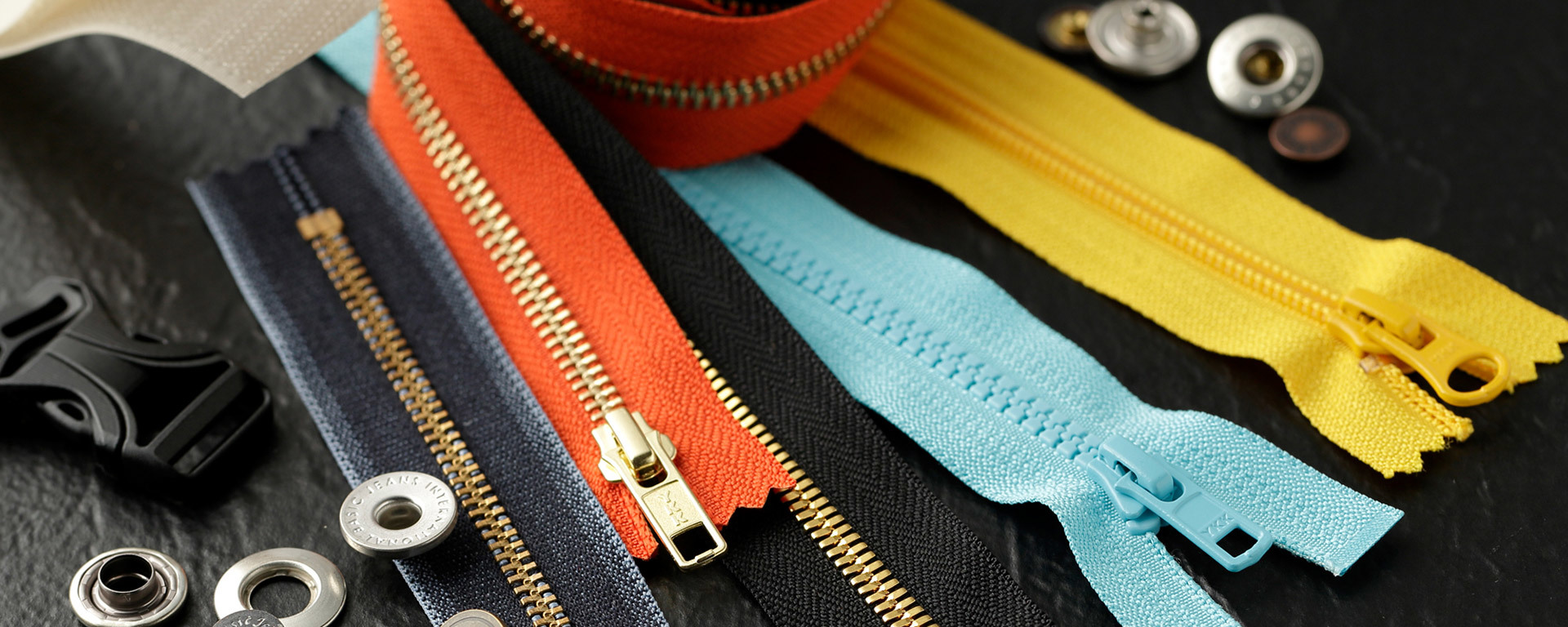
First off, a quick refresher: a metal zipper is a fastening device consisting of two strips of fabric with interlocking metal teeth and a slider that moves up and down to open or close the zipper. Unlike their plastic counterparts, metal zippers are known for their durability and strength, making them a popular choice for high-end fashion and heavy-duty applications.
The Anatomy of a Metal Zipper
To truly appreciate how a metal zipper works, let's break it down into its main components:
- Teeth: These are the metal pieces that interlock when the zipper is closed. They come in various sizes and shapes, depending on the design.
- Slider: This is the part you pull to open or close the zipper. It's usually made of sturdy metal and features a small pull tab for easy handling.
- Tape: The fabric strips that hold the teeth in place. The tape can be made from different materials, such as cotton or polyester, and often comes in various colors to match your garment.
- Stop: Located at both ends of the zipper, these small metal pieces prevent the slider from sliding off.
How Does a Metal Zipper Work?
Now, onto the nitty-gritty! When you pull the slider, it moves along the teeth, engaging them in a way that they interlock. This action creates a secure closure. The beauty of a metal zipper lies in its design; the teeth are angled, allowing for a firm grip when they connect. But wait, there's more! When you pull the slider in the opposite direction, the teeth disengage, allowing the zipper to open smoothly.
Durability and Maintenance
Let's not forget about longevity! Metal zippers are generally more resistant to wear and tear than plastic zippers, but they aren't invincible. To keep your metal zipper functioning smoothly, a little maintenance goes a long way. Here are some pro tips:
- Keep it clean: Dust and dirt can accumulate in the teeth. Give your zipper a gentle scrub with a soft brush to keep it in tip-top shape.
- Lubricate: A little bit of wax or zipper lubricant can do wonders for your zipper's movement. Just a tiny dab is all you need!
- Avoid excessive force: If your zipper gets stuck, resist the urge to yank it. Instead, gently wiggle the slider or check for obstructions.
The Versatility of Metal Zippers
Beyond functionality, metal zippers have become a style statement. You'll find them in everything from high-fashion jackets to rugged backpacks. Their aesthetic appeal, coupled with their strength, makes them a favorite among designers and consumers alike. Plus, they come in various finishes—like antique brass, shiny silver, and matte black—to suit any taste.
Conclusion: More Than Just a Fastener
So there you have it! The metal zipper is not just a simple fastener; it's a remarkable piece of engineering that blends form and function beautifully. Next time you zip up your coat, take a moment to appreciate the intricate mechanics at play. Who knew something so small could be so fascinating?
Latest News
Contact Us
Add:11th Floor, Financial International Building, 141 Yingchun Street, Laishan District, Yantai City
Tel:86-535-6707881 / 6707891
Fax:86-535-6707880
E-mail:yuhongyong@ytwanhao.com
whzhp@ytwanhao.com
Website:www.ytwanhao.com / www.ytykkzipper.com
Copyright©2024 Shandong New Wanhao Technology Development Co., Ltd. All Rights Reserved. Powered by www.300.cn | Seo